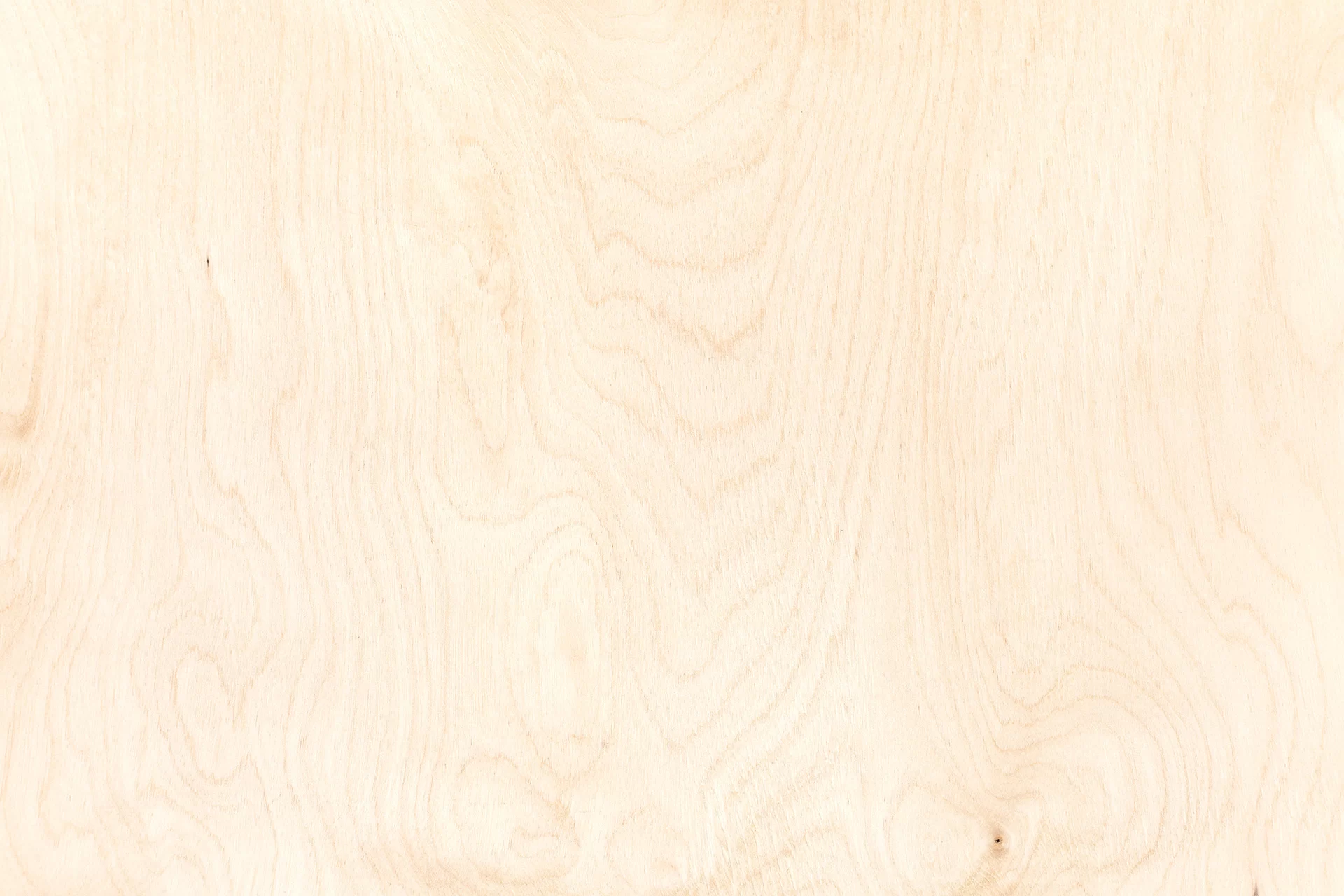

Grading & Grain Orientation
Grading
To ensure consistency and quality, it’s classified into four distinct grades—B/BB, BB/BB, BB/CP, and CP/C—each reflecting the appearance and allowable defects on the face and back veneers. Understanding these grades helps buyers match the right panel to their project’s aesthetic and structural demands.
Grade B
Highest grade of Baltic Birch Plywood, permitting minimal splits and ruling out any need for repairs. B represents face and BB back veneer. The face veneers are characterized by clarity and a defect-free, light, uniform color. On the back side, allowance is made for 3-6 color-matched patches. The inner cores, comprising solid birch single-piece veneers, reinforce its structural integrity. Surface is sanded intended for natural finish. This grade is often used in applications where the plywood will be visible, and a cleaner and more refined appearance is desired.
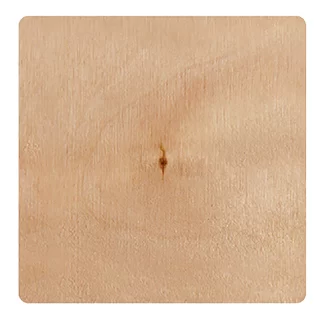
Pin knot
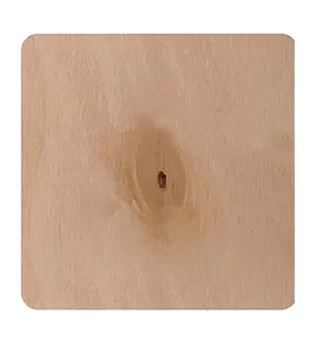
Light knot
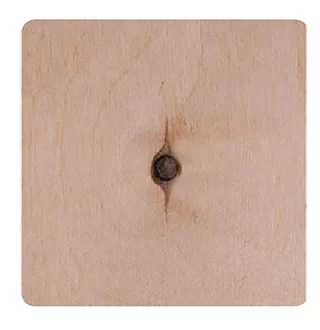
Loose knot
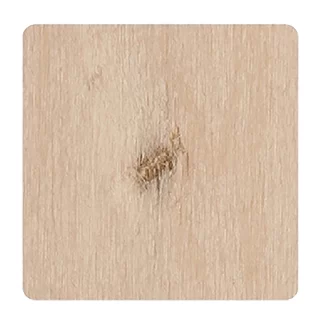
Pinhole
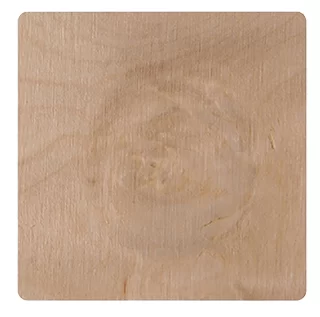
Burl
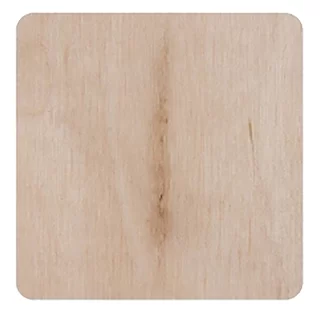
Light inbark
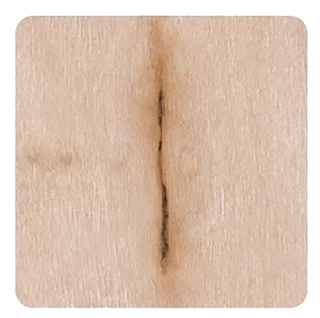
Dark inbark
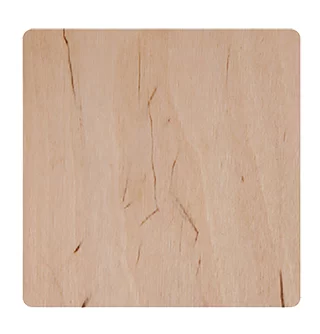
Sound discoloration (congested streaks)
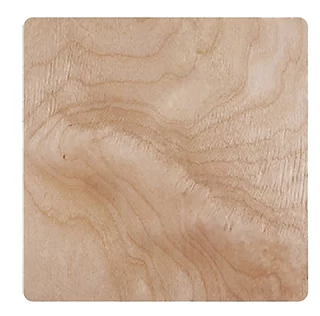
Swirly grain
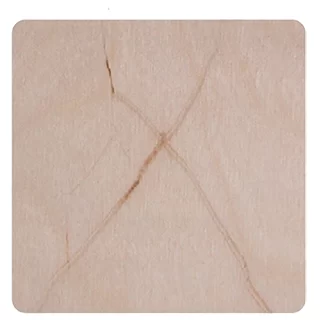
Streak traces
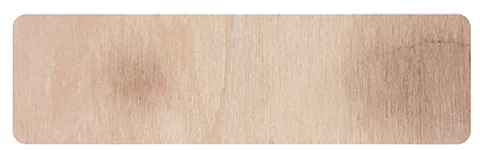
Water stains
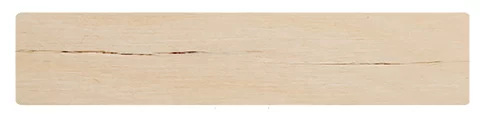
Close shakes
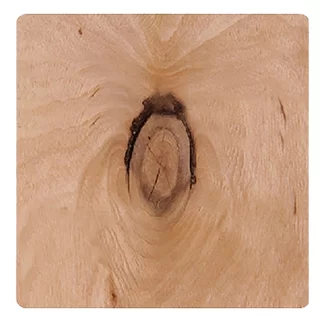
Knots with bark inclusions, knot holes

MR (interior glue) plywood over sanding
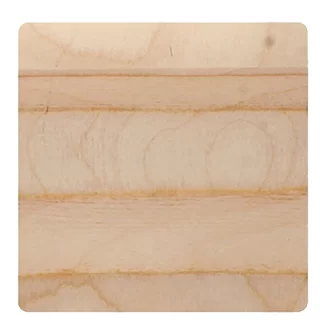
WBP (exterior glue) plywood oversanding
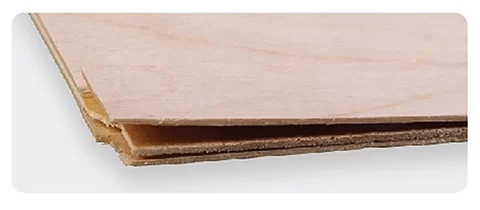
Delamination
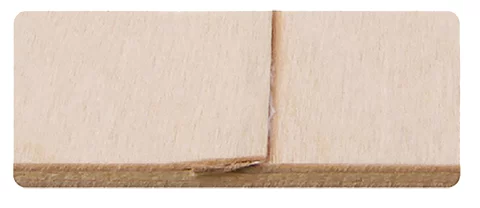
Overlap
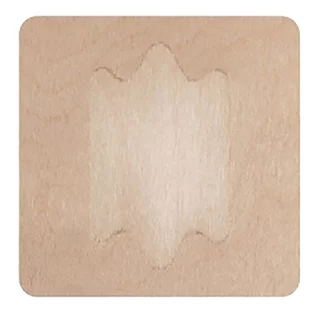
Patch
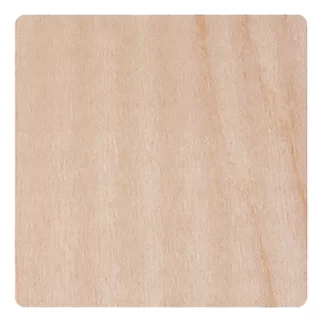
Waviness (sanded plywood), rough saw cut, ripple
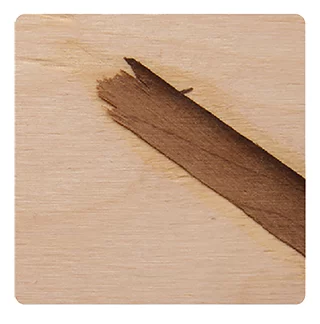
Posted veneer chips
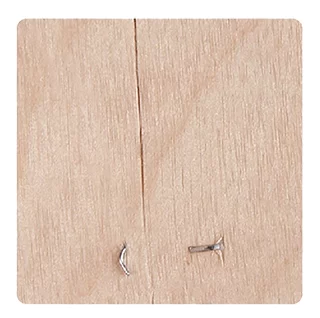
Metal inclusions
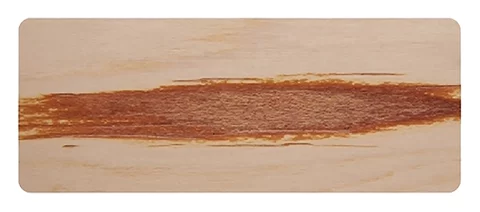
Bark patch
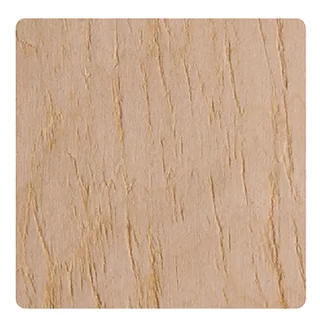
Coarse peeling
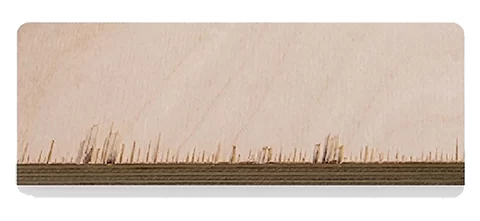
Shears (defects caused by cutting)
Grade BB
Second highest quality in Baltic Birch grade system. Both face and back sides allow color-matched patches, while knots and open defects are repaired with veneer inserts. The inner cores, comprising solid birch single-piece veneers, reinforce its structural integrity. Surface is sanded.
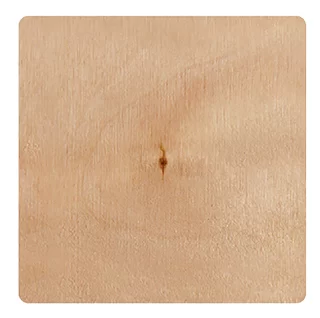
Pin knot
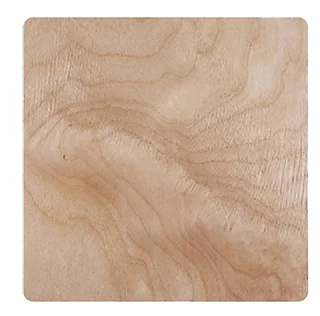
Swirly grain
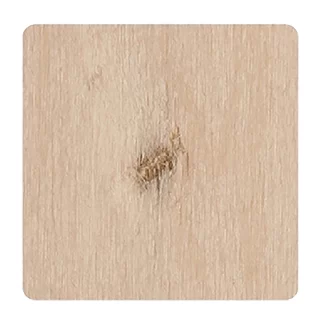
Pinhole
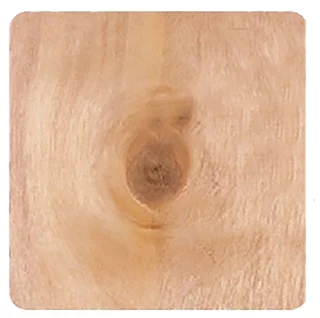
Dark knot
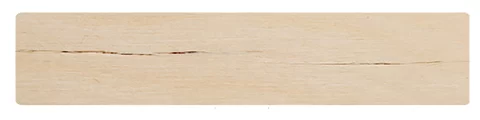
Close shakes
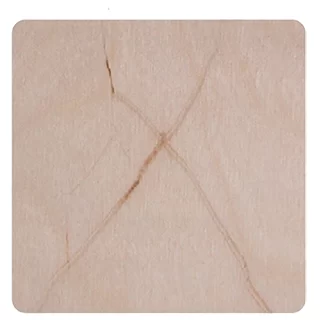
Streak traces
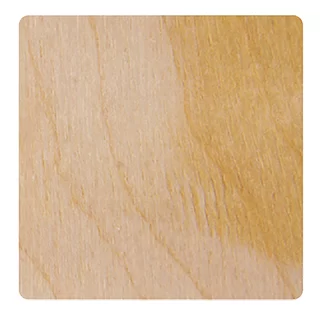
Sander skips (uneven sanding)
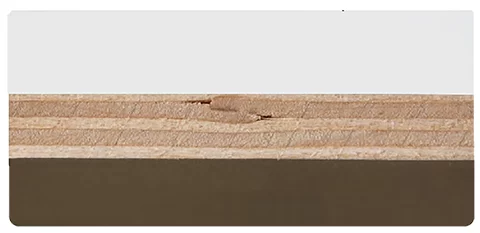
Overlap ridges (telegraphing overlaps)
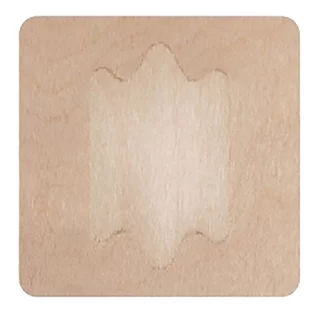
Patch
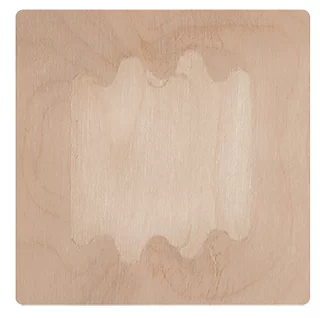
Double patch
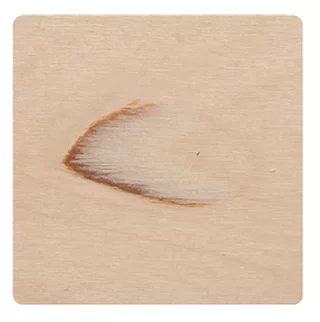
Pockets (without bark inclusions)
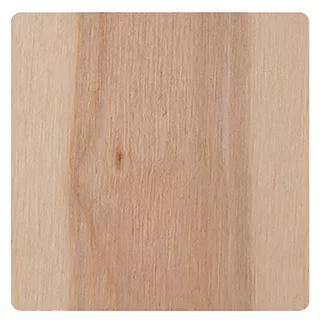
Sound discoloration (false heartwood)
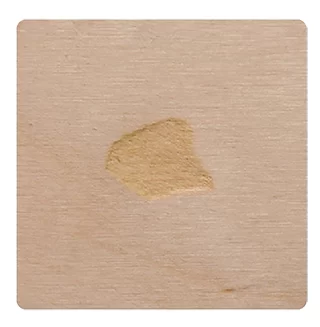
Hollow
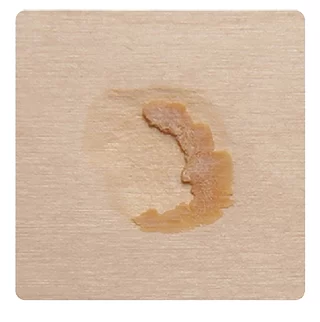
Gum hollow
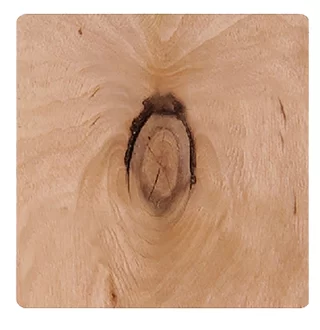
Knots with bark inclusions, knot holes

MR (interior glue) plywood oversanding
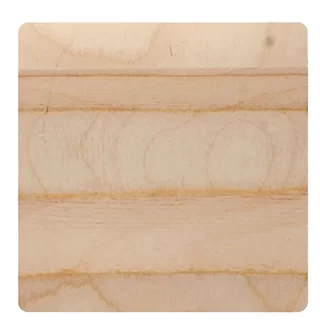
WBP (exterior glue) plywood oversanding
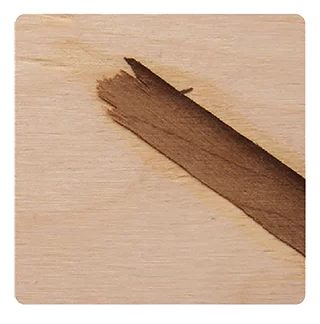
Posted veneer chips
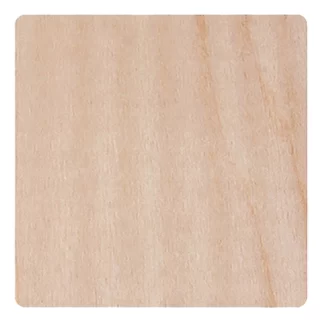
Waviness (sanded plywood), rough saw cut, ripple
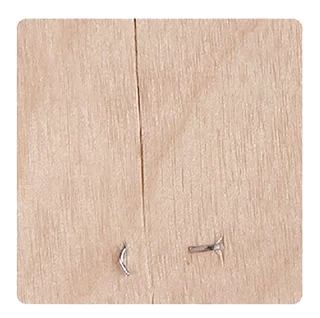
Metal inclusions
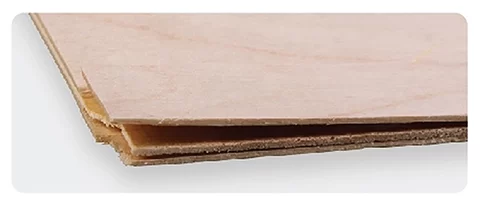
Delamination
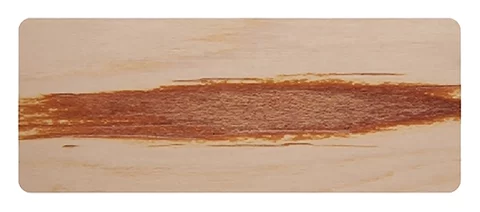
Bark patch
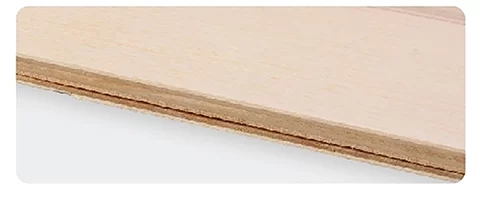
Blister
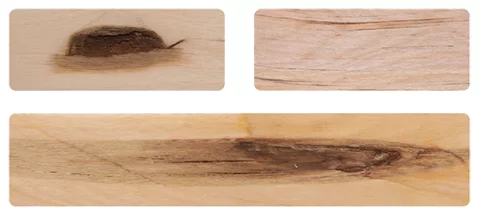
Discoloration with partial wood damage
Grade C
Patches, open knots, and minor veneer splits are acceptable. Veneer lap and small core voids are allowed. This panel is intentionally unsanded, but with guaranteed strong gluing properties, this grade is ideal for various structural applications.
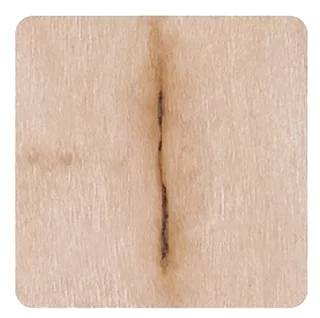
Dark inbark
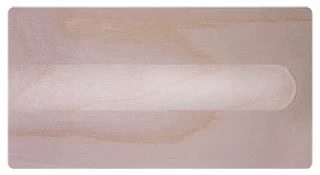
Shake filling and sealing with inserts and putty
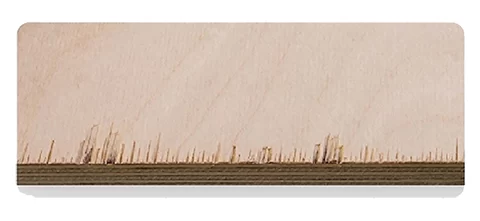
Shears (defects caused by cutting)
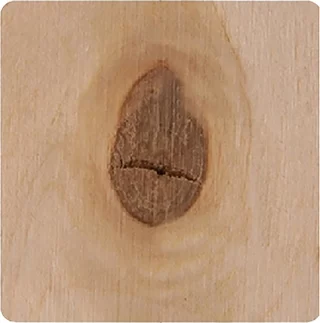
Dark knot with a shake
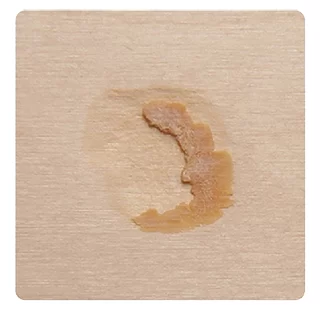
Gum hollow

MR (interior glue) plywood oversanding
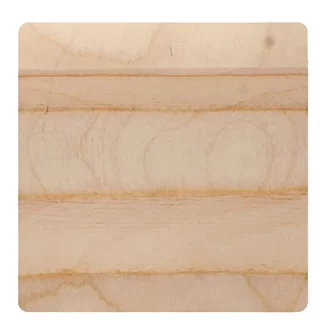
WBP (exterior glue)
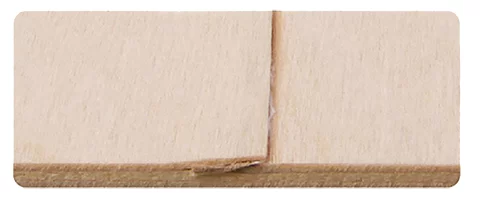
Overlap
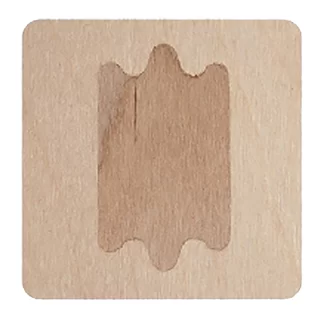
Patch without color matching
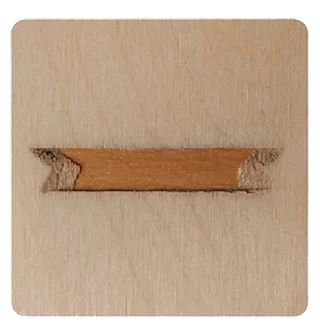
Saw cut
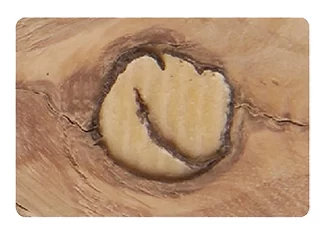
Black knot
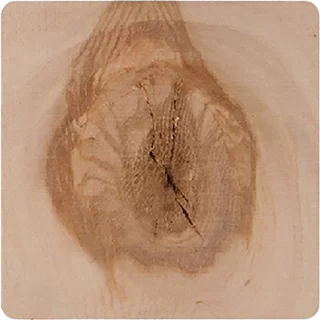
Dark intergrown knot
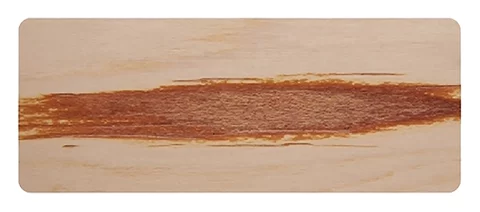
Bark patch
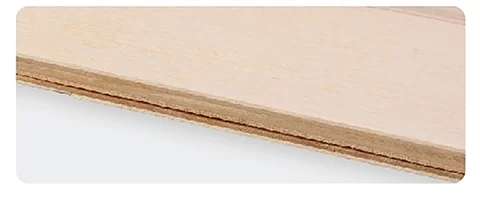
Blister
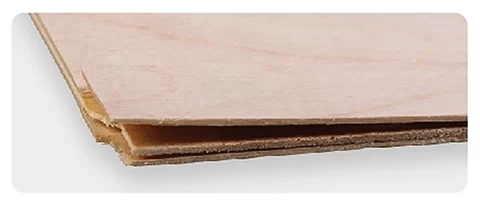
Delamination
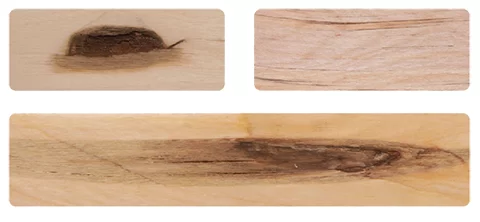
Discoloration with partial wood damage
Grade CP
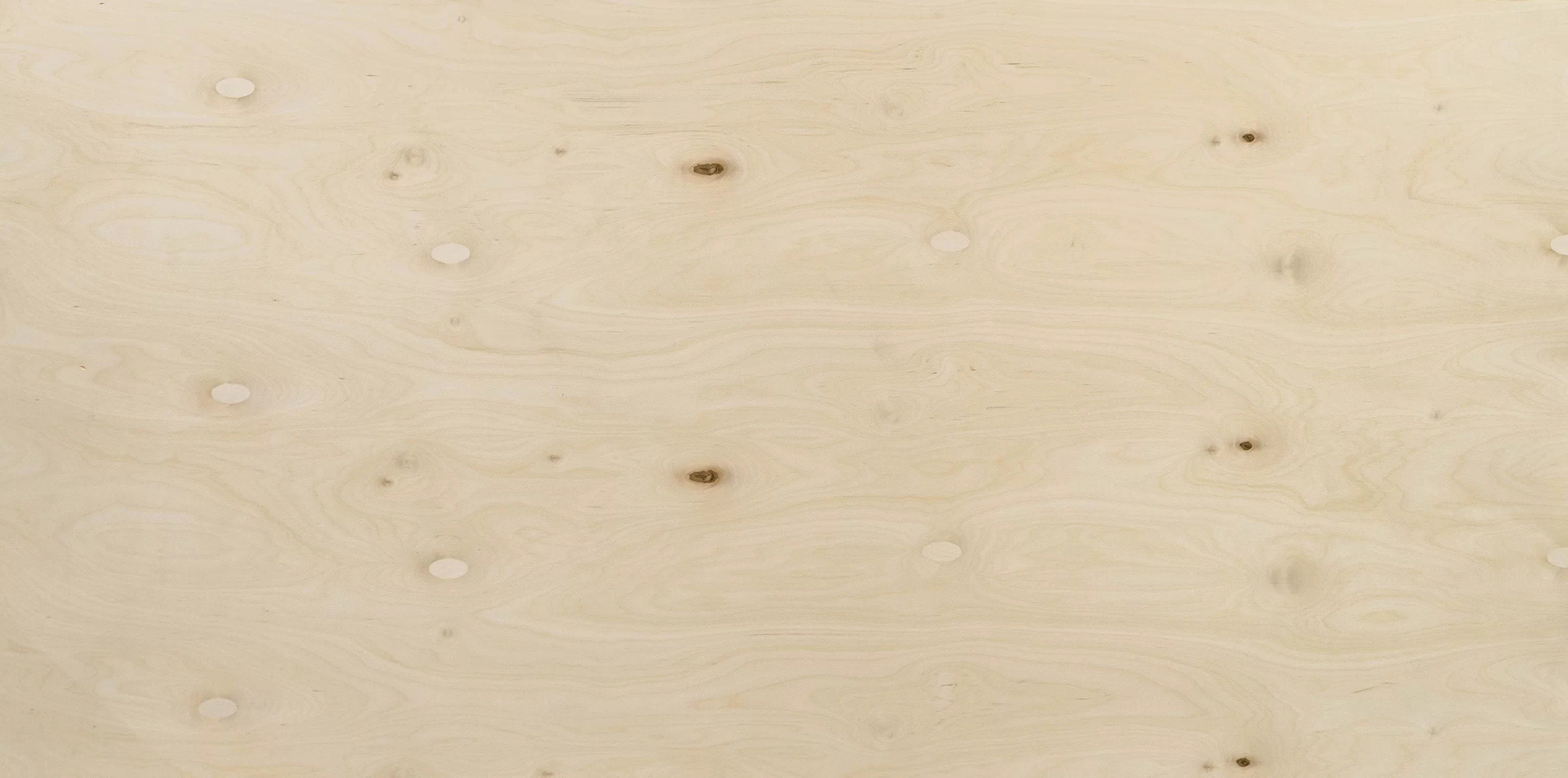
CP grade is excluded from BB classification due to minor defects and increased streaking. Permissible occasional hairline splits of less than 0.5mm. Oval or round patches may or may not match the color of the base face veneer. Typically, there will be more patches per face compared to the BB grade. Surface is sanded. Grade CP/CP is designed and ideal for laminating applications.
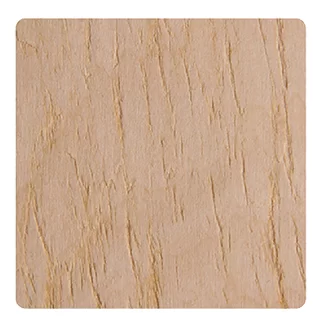
Wood discoloration during storage
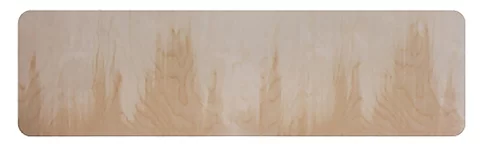
Coarse peeling
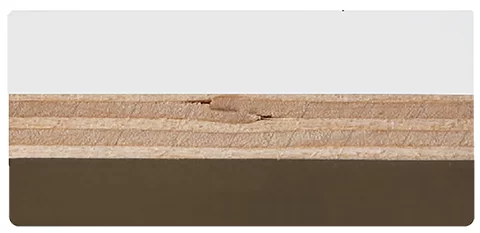
Overlap ridges (telegraphing overlaps)
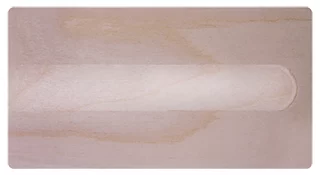
Shake filling and sealing with inserts and putty
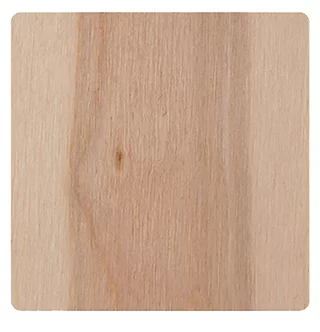
Sound discoloration (false heartwood)
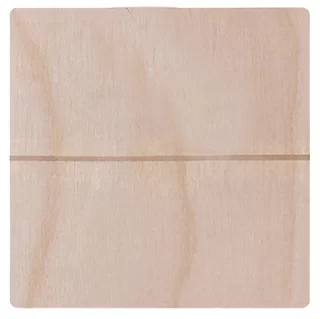
Adhesive thread occurrence
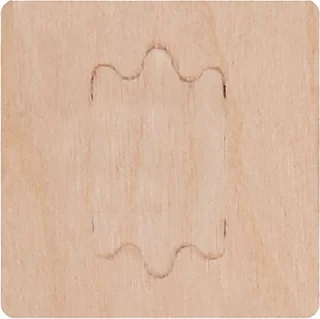
Glue stain
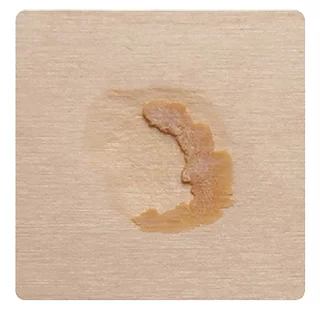
Gum hollow
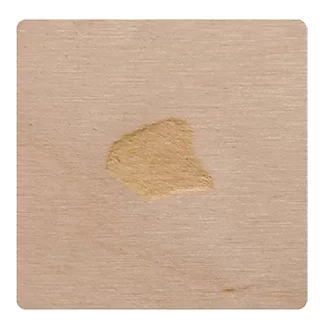
Hollow

MR (interior glue) plywood oversanding
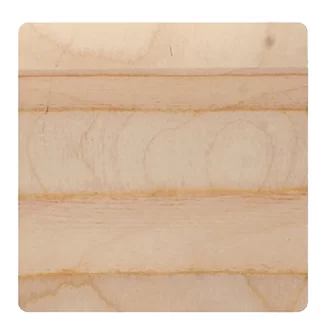
WBP (exterior glue) plywood oversanding
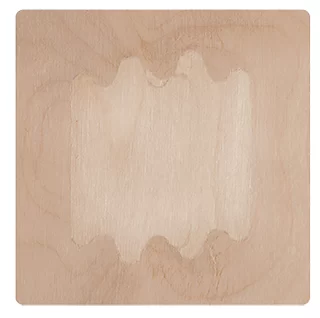
Double patch
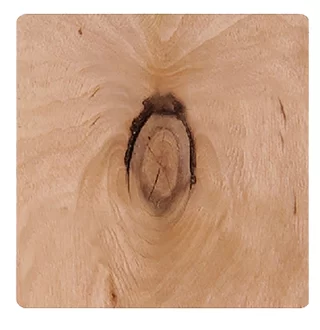
Knots with bark inclusions, knot holes
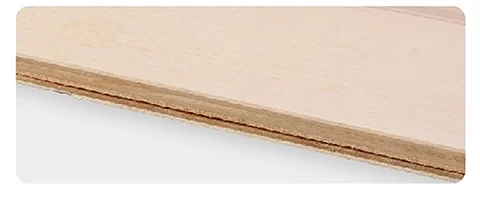
Blister
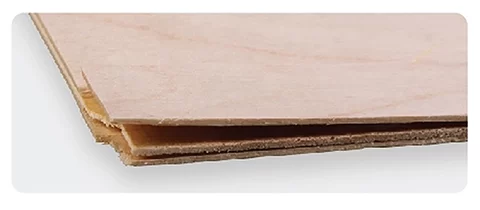
Delamination
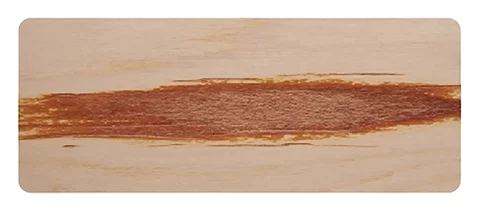
Bark patch
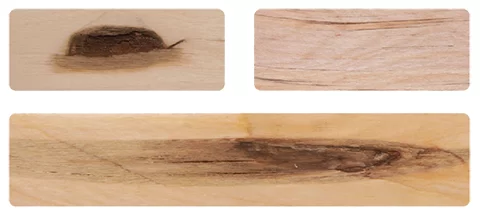
Discoloration with partial wood damage
Face Veneer Grain Direction
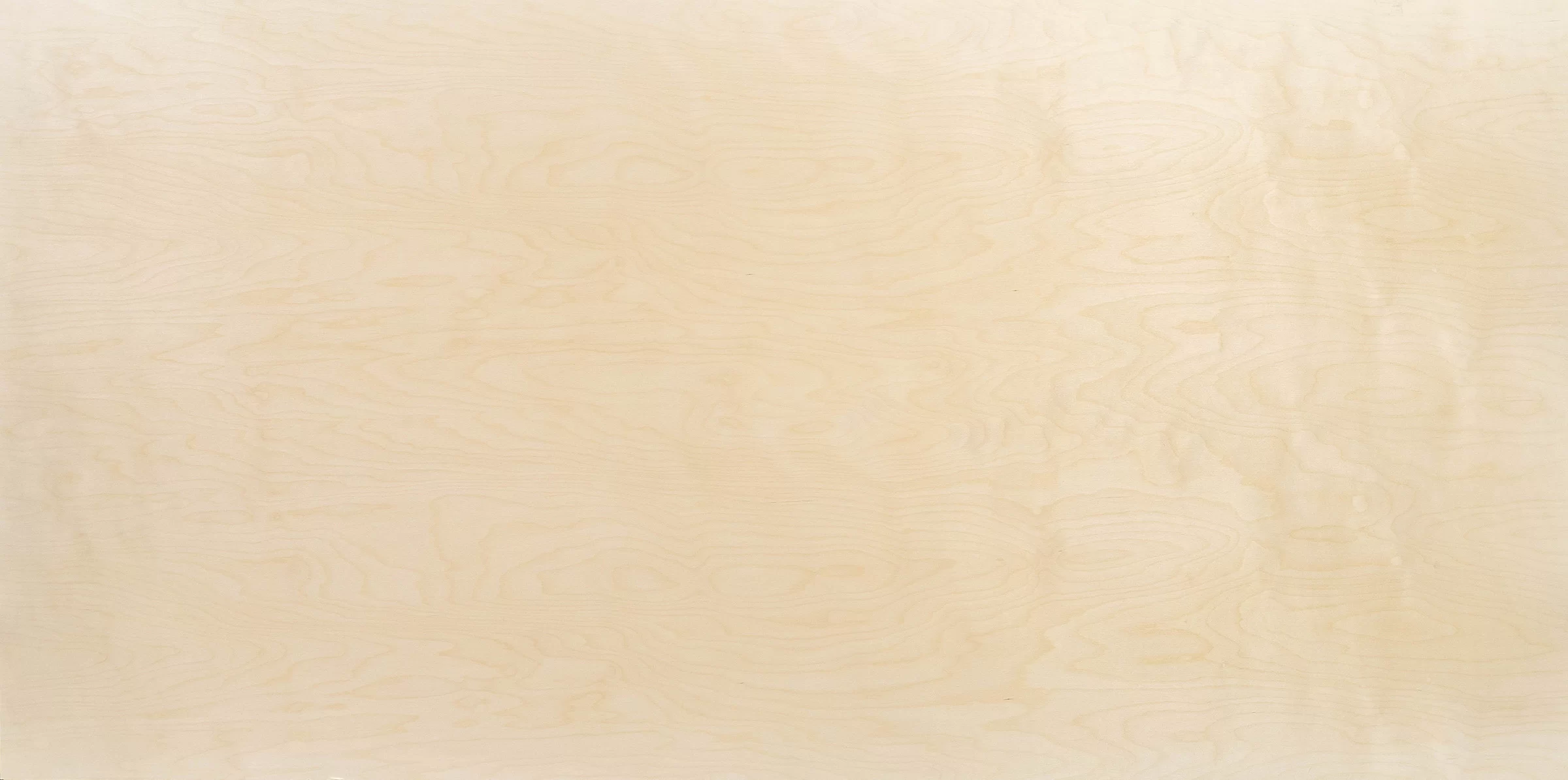
Long Grain
Long grain refers to the orientation of wood grain in plywood where the wood fibers run parallel to the length of the sheet, resulting in a smoother and more uniform appearance. It affects the plywood’s structural characteristics and flexibility.
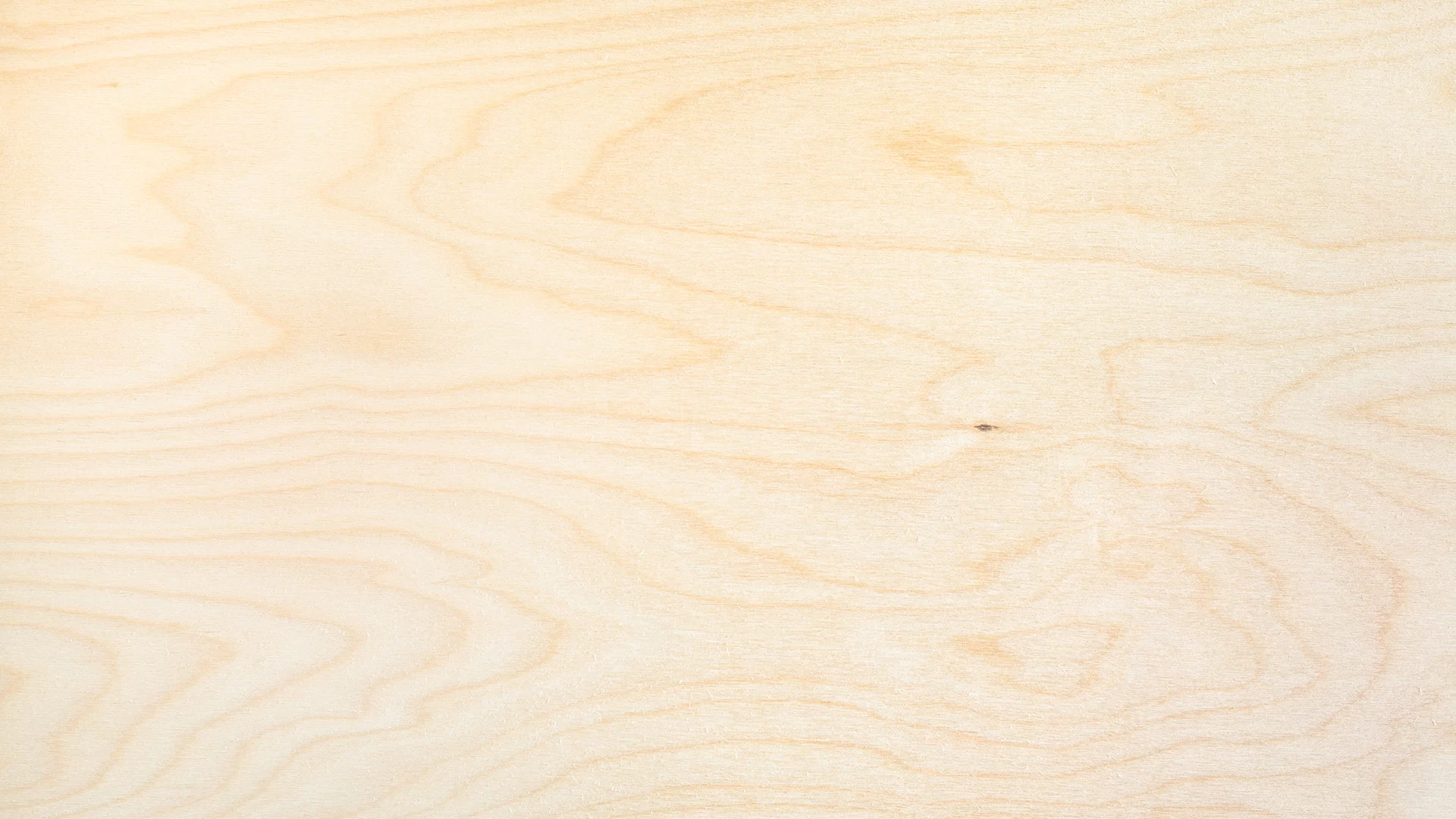
Short (Cross) Grain
Cross grain refers to the orientation of wood grain in plywood where the wood fibers run perpendicular to the length of the sheet, contributing to increased stiffness and resistance to bending along the width of the plywood.